
How to Store a Trampoline Through Winter Without Damaging It
How to Store a Trampoline Through Winter Without Damaging It
Josh Summerhays
September 21st, 2026
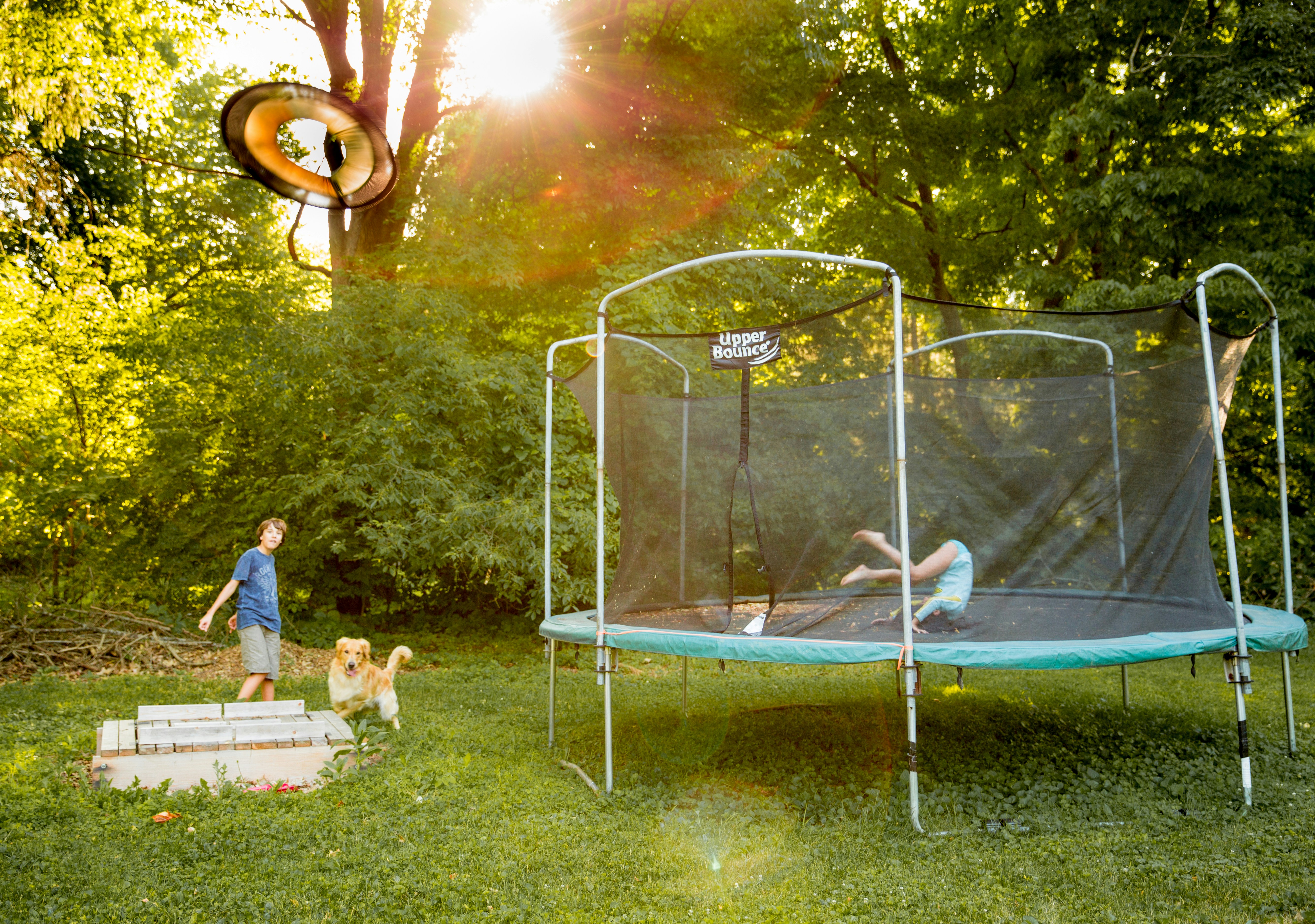
A trampoline takes up enough backyard space during the warmer months. Once your family stops using it regularly, leaving the whole setup exposed until spring can also mean unnecessary wear on the mat, padding, enclosure, and metal parts.
Learning how to store a trampoline in the winter starts with the manufacturer’s instructions, since designs differ in how their frames, springs, mats, and enclosures come apart. If you don’t have enough dry space at home for the parts you remove, our storage options in Hubert include drive-up units in several sizes, with 24/7 gate access for renters. Our property is at 409 Bear Creek Road, off Queens Creek Road and Old Highway 72.
Check the Manual Before Taking Anything Apart
Before removing a spring or loosening a frame connection, find the manual for your trampoline model. The assembly instructions usually provide the safest roadmap for disassembly when followed in reverse, but the exact process varies by manufacturer.
That distinction matters. Some manufacturers recommend removing only certain components during winter, while others advise taking down the entire trampoline during harsh weather. For example, store the trampoline and enclosure during harsh conditions, including freezing temperatures. Most manufacturers provide different winter procedures, so use the instructions written for your model rather than treating a general storage guide as a replacement for the manual. Take photos before disassembly if the connections aren’t obvious. Keep bolts, fasteners, spring tools, and other small hardware together in a labeled container instead of dropping them into a large box with the rest of the trampoline.
Clean and Dry the Trampoline First
Don’t pack away a mat or enclosure that’s covered in leaves, dirt, grass clippings, or other debris. Cleaning everything before storage also gives you a chance to inspect the trampoline while all the components are still accessible. Use the cleaning method recommended by the manufacturer. Akrobat, for example, recommends mild soapy water for its trampoline surfaces and warns against aggressive cleaning products. Bestway advises gently cleaning its mat with a soft cotton cloth rather than abrasive brushes or tools.
Drying is just as important as cleaning. Fabric components folded while damp are poor candidates for months in an enclosed space. North Trampoline specifically advises storing winterized components dry and away from pests. Give the mat, safety net, padding, and other washable pieces enough time to dry completely before folding or packing them.
Remove the Safety Enclosure and Padding
The enclosure is a sensible place to start once the trampoline is clean and dry. Remove the net and its support pieces according to the manual, then inspect the fabric for tears, stretched areas, damaged stitching, or worn attachment points. Frame pads should also be checked before they go into storage. These pieces sit over the springs and frame during use, so inspect their covers, seams, and attachment points rather than folding them away without looking.
Don’t assume every enclosure uses the same disassembly process. Some designs have poles and rods that can be removed while portions of the net remain attached. Following the model-specific sequence reduces the chance of bending a support or damaging a connection that wasn’t intended to be pulled apart.
Decide Whether to Remove the Mat and Springs
If the trampoline will be unused for the season, removing the jumping mat and springs offers more protection than simply leaving everything assembled outdoors. We recommend removing the jumping mat during winter because snow weight can damage it. Also, take in the padding, springs, jump mat, and safety net for winter storage. Spring removal requires care because the components are under tension. Use the spring tool and procedure specified by the manufacturer, wear appropriate hand protection if directed, and work around the frame in the recommended sequence. Some manufacturers warn against disassembling frame components until the springs and mat have been removed.
Once the springs are off, keep them together somewhere dry rather than loose on the floor. Before packing them, check for visible corrosion, distortion, or other damage that should be addressed before the trampoline goes back together.
Should You Store the Frame Too?
Whether the metal frame stays outside depends on the trampoline and its manufacturer’s instructions. Some manufacturers permit the frame to remain outdoors after the more vulnerable components have been removed, while others recommend storing the entire trampoline. If your manual recommends complete disassembly, break the frame down according to its instructions and keep the sections together. Avoid dragging assembled frame sections across the ground, since that can damage connections or coatings.
A fully disassembled trampoline takes up much less room than its backyard footprint suggests, but the individual frame pieces can still be long and awkward. Measure the longest components before deciding where they’ll go. If you’re considering a unit, our storage size guide provides a starting point for comparing available dimensions with the other household or outdoor items you plan to store.
Pack the Parts So They Stay Organized
The easiest spring setup starts with an organized winter teardown. Group related pieces rather than mixing trampoline hardware with unrelated garage or yard equipment. Small hardware belongs in labeled containers or sturdy bags that won’t split. Keep those containers with the trampoline parts so they aren’t separated over several months. Labeling is especially worthwhile when the trampoline has multiple pole sections or similar-looking connectors.
For larger components, avoid placing heavy boxes or equipment on top of folded mats, padding, or enclosure nets. Our storage tips recommend planning the unit around item weight and access, with heavier belongings lower and frequently needed items closer to the front. That same approach keeps trampoline fabric from becoming the base of an unstable stack.
What If You Leave the Trampoline Outside?
Sometimes complete disassembly isn’t practical. If the trampoline stays outside, the manufacturer’s winter instructions become even more important because recommendations for covers, enclosures, anchoring, and snow vary by design. Some manufacturers recommend weather covers after vulnerable enclosure components have been lowered or removed. Some recommend clearing accumulated snow from its trampoline cover with a soft-bristled brush or broom. A different trampoline may have different requirements, so don’t assume that a cover alone makes an assembled trampoline ready for winter.
Wind matters too. Large trampoline surfaces can catch strong gusts, and some manufacturers instruct owners to remove safety nets or other components during severe wind. Follow the anchoring and severe-weather instructions supplied with your specific model rather than improvising a tie-down method.
Inspect Everything Before Spring Reassembly
Winter storage ends with an inspection, not simply putting the trampoline back together. Look at the frame, springs, mat, padding, enclosure, fasteners, and attachment points before anyone uses it again. Pay attention to corrosion, damaged stitching, holes, stretched material, loose connections, bent parts, and anything else your manufacturer identifies in its maintenance instructions. Replace components when the manual calls for replacement instead of trying to make a damaged safety component last another season.
Keep the manual and any specialty assembly tools with the trampoline through winter. That way, you have the correct installation sequence and equipment in one place when it’s time to rebuild.
Make Winter Storage Easier in Hubert
A trampoline is easier to manage through winter when the teardown is treated as part of seasonal maintenance. Clean and dry the components, follow the manufacturer’s disassembly instructions, keep the hardware organized, and store vulnerable pieces where they’ll remain dry and protected until the trampoline goes back outside.
For Hubert households that need to clear bulky seasonal equipment out of a garage or another indoor area, you can explore storage options from NC Storage Zones and compare the unit types currently available at our Bear Creek Road property. Measuring the longest frame sections and estimating the space needed for your other stored items first will make it easier to choose a unit without renting more room than you need.
Categories