Electronics in Storage: How to Protect Your Devices Until You Need Them Again


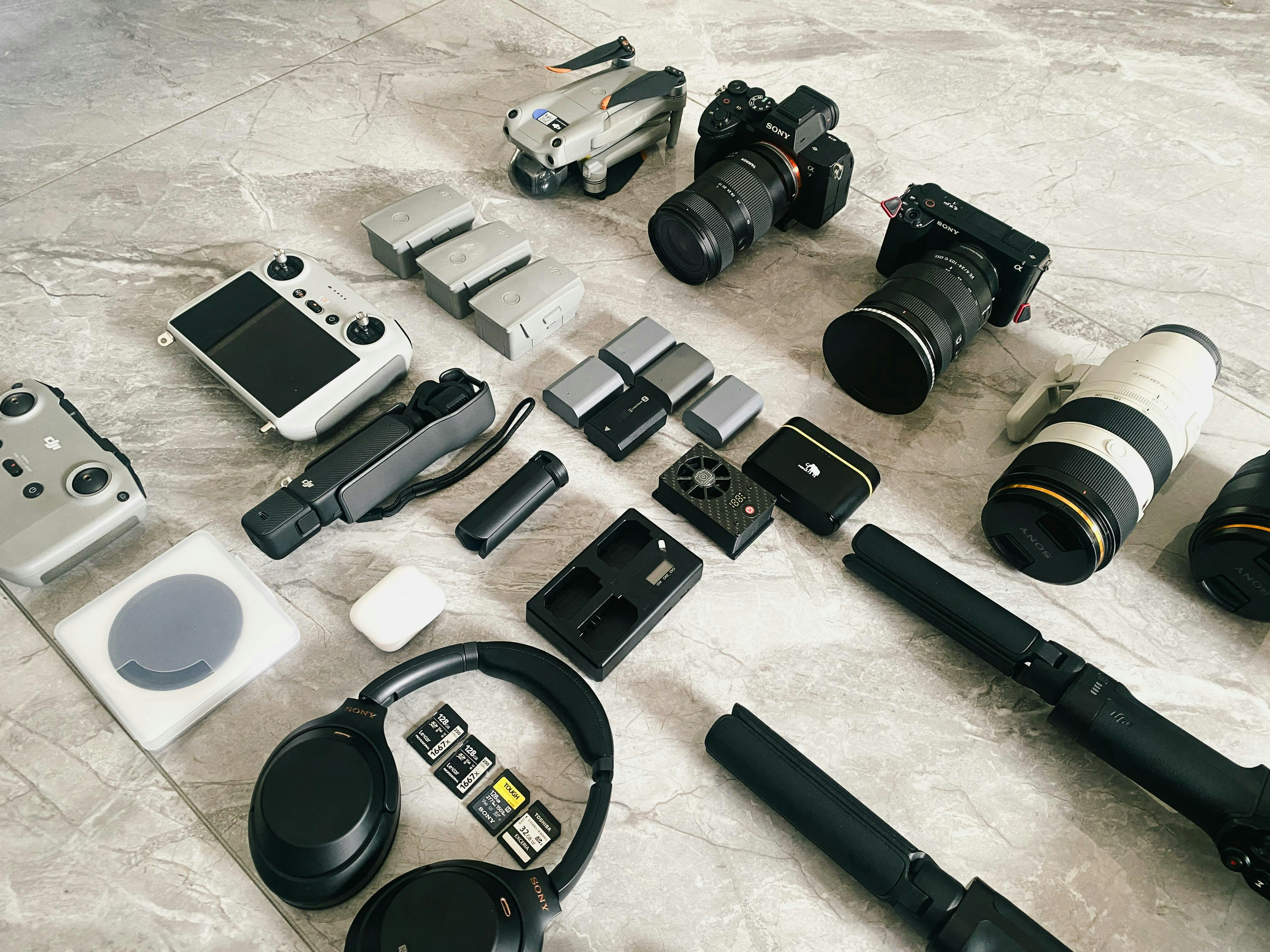
Electronics need more preparation for storage than most household belongings. A television can develop screen damage if it's packed incorrectly, while computers and gaming consoles contain components that are sensitive to moisture and temperature changes. Knowing how to store electronics in a storage unit helps you avoid preventable damage, especially when those devices will be sitting unused for several months. At NC Storage Zones, we offer standard and climate-controlled storage options in Hubert for people who need extra room during a move, home renovation, or extended period away. Our facility is located at 409 Bear Creek Road, near Queens Creek Road, and serves residents around Hubert, Swansboro, and Jacksonville. For electronics, choosing the right environment is the first part of protecting your equipment. Why Electronics Need Special Care in Storage Most electronics are designed to operate and remain inside environments with relatively stable conditions. Once they're placed in storage, the surrounding temperature, moisture levels, and packaging become important considerations. A device doesn't have to be running for environmental conditions to affect its internal components. Moisture is one of the biggest concerns. Excess humidity can contribute to corrosion on electrical contacts and circuit boards, while condensation can develop when equipment moves between environments with significantly different temperatures. Even if a device looks fine from the outside, moisture inside the housing can create problems when it's powered on again. Physical damage is another concern. Screens can crack under pressure, connectors can bend, and loose accessories can scratch equipment during transportation. Proper packaging reduces those risks, but it won't compensate for an unsuitable storage environment. Should You Use Climate-Controlled Storage for Electronics? For computers, televisions, gaming systems, cameras, and other valuable devices, climate-controlled storage is usually the better choice, particularly for longer storage periods. A more stable temperature reduces exposure to extreme changes, while moisture management is especially important for electronic components. At our Hubert facility, we offer both climate-controlled and standard units. Our climate-controlled spaces are intended for belongings that benefit from protection against coastal North Carolina's heat ...


Josh Summerhays
October 22nd, 2026


How to Store a Trampoline Through Winter Without Damaging It


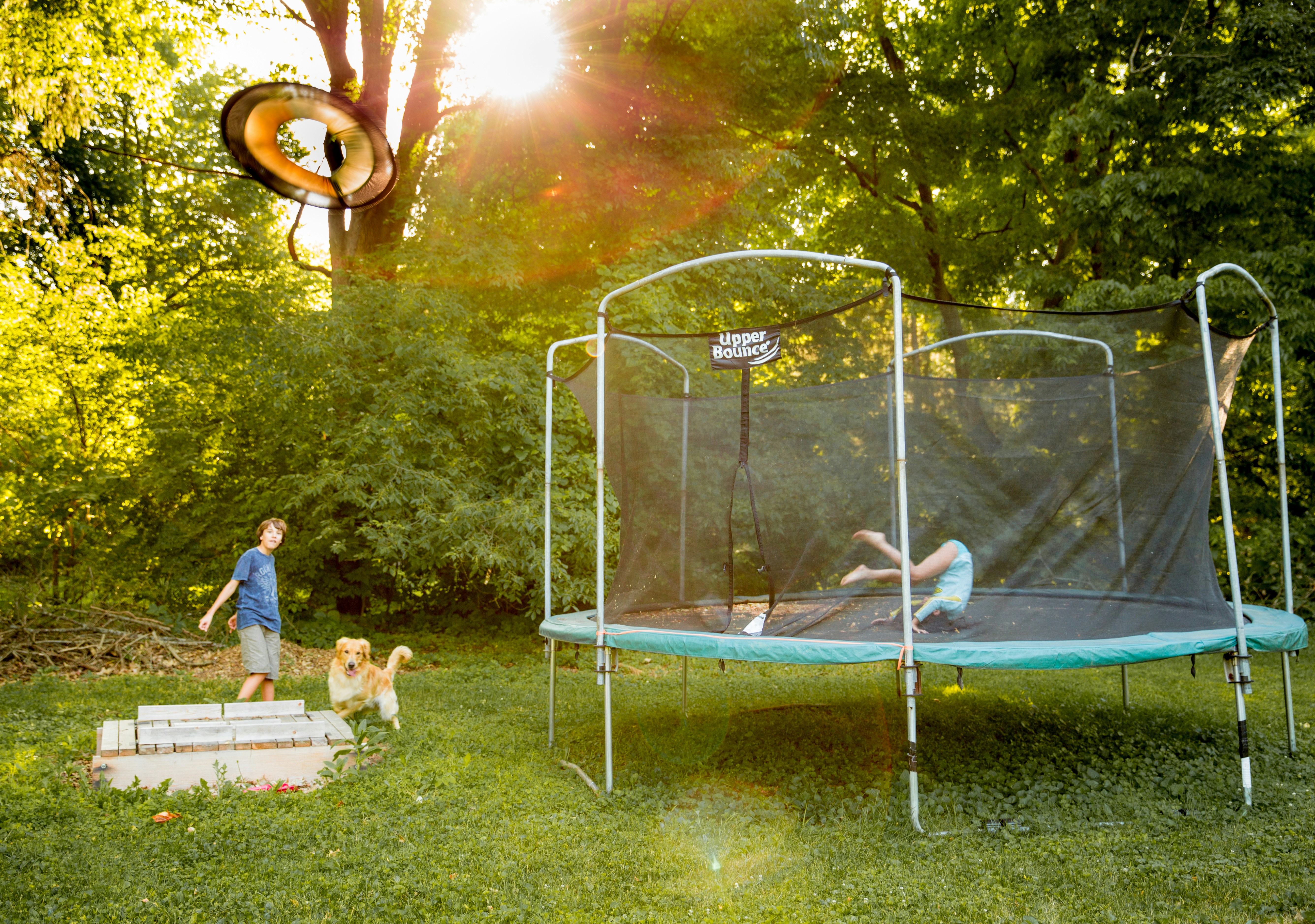
A trampoline takes up enough backyard space during the warmer months. Once your family stops using it regularly, leaving the whole setup exposed until spring can also mean unnecessary wear on the mat, padding, enclosure, and metal parts. Learning how to store a trampoline in the winter starts with the manufacturer’s instructions, since designs differ in how their frames, springs, mats, and enclosures come apart. If you don’t have enough dry space at home for the parts you remove, our storage options in Hubert include drive-up units in several sizes, with 24/7 gate access for renters. Our property is at 409 Bear Creek Road, off Queens Creek Road and Old Highway 72. Check the Manual Before Taking Anything Apart Before removing a spring or loosening a frame connection, find the manual for your trampoline model. The assembly instructions usually provide the safest roadmap for disassembly when followed in reverse, but the exact process varies by manufacturer. That distinction matters. Some manufacturers recommend removing only certain components during winter, while others advise taking down the entire trampoline during harsh weather. For example, store the trampoline and enclosure during harsh conditions, including freezing temperatures. Most manufacturers provide different winter procedures, so use the instructions written for your model rather than treating a general storage guide as a replacement for the manual. Take photos before disassembly if the connections aren’t obvious. Keep bolts, fasteners, spring tools, and other small hardware together in a labeled container instead of dropping them into a large box with the rest of the trampoline. Clean and Dry the Trampoline First Don’t pack away a mat or enclosure that’s covered in leaves, dirt, grass clippings, or other debris. Cleaning everything before storage also gives you a chance to inspect the trampoline while all the components are still accessible. Use the cleaning method recommended by the manufacturer. Akrobat, for example, recommends mild soapy water for its trampoline surfaces and warns against aggressive cleaning products. Bestway advises gently cleaning its mat with a soft cotton cloth rather ...


Josh Summerhays
September 21st, 2026


Not Sure If You Need Climate-Controlled Storage? Here's Every Question Answered Before You Rent


If you've started searching for a storage unit, you've probably noticed that many facilities offer both traditional and climate-controlled options. At first glance, they may seem very similar. After all, both provide a secure place to keep your belongings while you're making room at home, relocating, renovating, or simply organizing your life. However, once you begin comparing features, one question quickly comes up: Do you really need climate-controlled storage? The answer depends entirely on what you're storing and how long you expect those belongings to remain in storage. While some items can handle changing temperatures without any issues, others are much more sensitive to heat, humidity, and fluctuating conditions. Furniture, electronics, photographs, business records, musical instruments, and family heirlooms can all benefit from a more stable environment, helping them stay in excellent condition for months or even years. For residents looking for reliable storage options in Hubert, understanding how climate-controlled storage works makes it much easier to choose the right unit instead of paying for features you don't need or risking damage to valuable possessions. This guide answers the most common questions people ask before renting climate-controlled storage, while also offering practical advice that can help you make an informed decision. Key Points for Readers Short on Time Climate-controlled storage maintains a much more consistent indoor environment than traditional storage units. Wood furniture, electronics, important documents, artwork, clothing, and antiques benefit the most from climate control. The longer you plan to store your belongings, the more valuable climate-controlled storage becomes. Proper packing and organization are still important, even inside a climate-controlled unit. Choosing the right storage unit today can help prevent expensive repairs or replacements in the future. What Is Climate-Controlled Storage? Let's begin with the most basic question. Climate-controlled storage refers to indoor storage units that are designed to maintain a more stable temperature throughout the year. Unlike traditional outdoor units that naturally fluctuate with outside conditions, climate-controlled spaces are housed inside enclosed buildings where temperatures remain within a much narrower range. Most facilities keep these units comfortable enough ...


Josh Summerhays
August 27th, 2026


Categories