
Your First Apartment Checklist: What to Buy, Pack, and Prepare Before Moving In
Your First Apartment Checklist: What to Buy, Pack, and Prepare Before Moving In
Josh Summerhays
November 16th, 2026
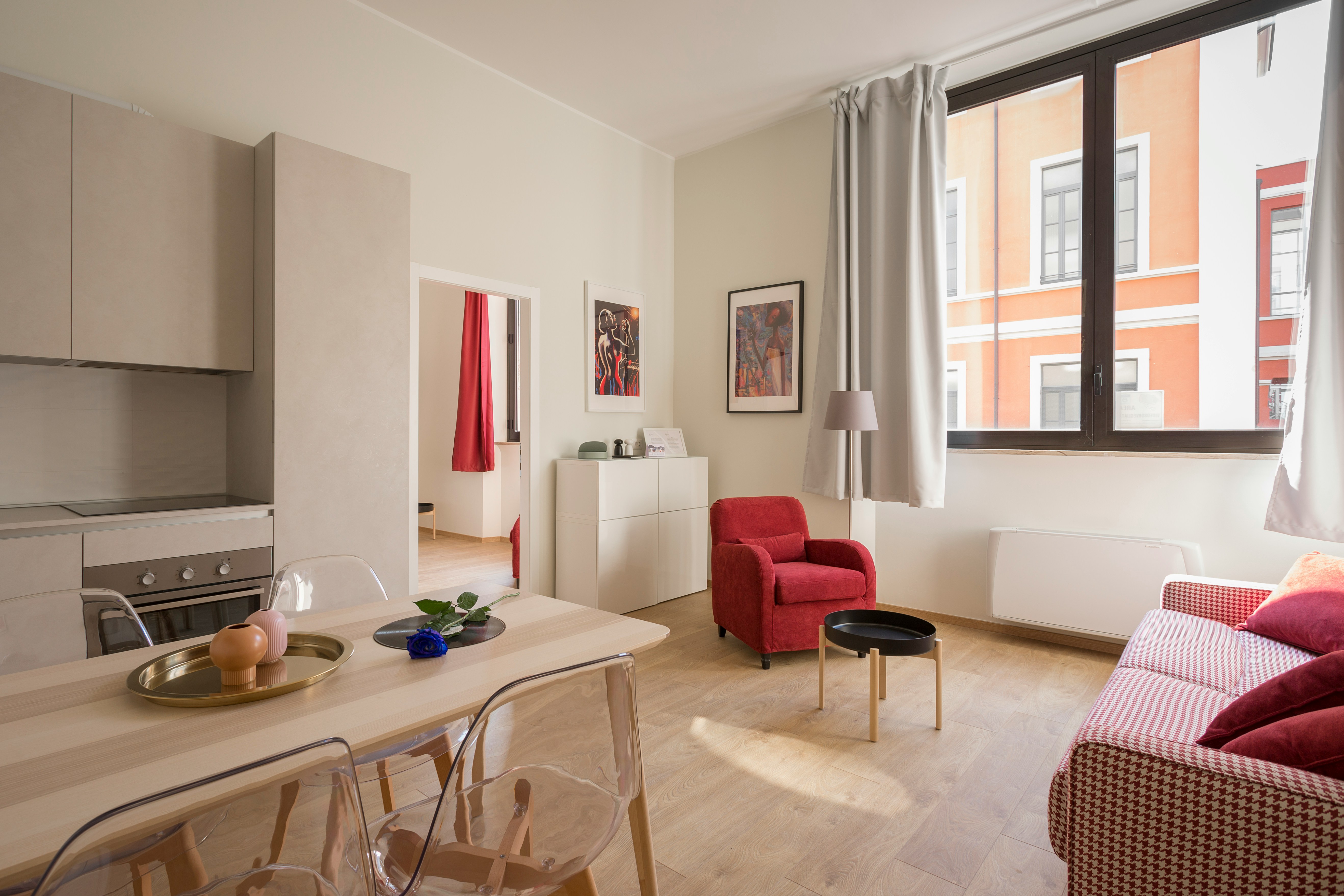
Moving into your first apartment is exciting, but figuring out what you actually need can get expensive quickly. Between furniture, kitchen supplies, cleaning products, and moving expenses, it's easy to spend money on things you won't use while forgetting essentials you'll need on your first night. This first apartment checklist covers everything you need for your new place, from bedroom furniture to the smaller household items people tend to overlook. If you're moving into an apartment around Hubert, North Carolina, planning will help you avoid unnecessary purchases and make better use of your available space. For belongings that won't fit in your new home, our storage options in Hubert offer a place to keep them until you need them.
What Should You Do Before Moving Into Your First Apartment?
Before buying furniture or packing boxes, review your lease and confirm what your apartment already includes. Some rentals come with major appliances, while others require tenants to provide their own washer, dryer, or microwave. Knowing what's included prevents duplicate purchases and unexpected expenses. Measure your bedroom, living room, and entryways before ordering large furniture. A couch might fit perfectly against your living room wall but still be too wide to get through the front door. Check stairways and hallways, too, especially if you're moving into an upstairs apartment. You'll also need to arrange utilities and internet service before moving day. Confirm which services are included in your rent, which accounts you must open yourself, and when those services should begin. Keep copies of your lease, payment receipts, and utility confirmations somewhere accessible.
Inspect Your Apartment Before Unpacking
Before bringing in furniture, walk through the apartment and document its condition. Photograph existing scratches, stains, damaged fixtures, and other problems, then report them to your landlord in writing according to the lease's instructions.
First Apartment Bedroom Checklist
Your bedroom should be one of the first rooms you set up. After a full day of moving, having a comfortable place to sleep matters more than unpacking decorations or arranging every piece of furniture. Start with a mattress and a suitable bed frame or foundation. You'll also need pillows, sheets, a comforter, and at least one extra set of bedding. Having spare sheets makes laundry day easier, especially if your apartment doesn't have its own washer and dryer. A dresser or closet organizer will help keep clothing off the floor, but you don't necessarily need both. Check how much closet space your apartment provides before buying additional furniture. A small bedside table and lamp are useful if your bedroom doesn't have convenient overhead lighting. Window coverings are another item worth checking before move-in. If blinds or curtains aren't included, measure the windows and confirm whether your lease permits installing curtain rods.
First Apartment Kitchen Checklist
Setting up a kitchen doesn't require buying a complete cookware collection. Start with enough equipment to prepare the meals you regularly eat, then add specialty items once you know what you're missing. For most first apartments, these are the kitchen essentials worth having:
- Plates, bowls, drinking glasses, and coffee mugs
- Forks, spoons, knives, and basic cooking utensils
- One frying pan and one medium saucepan with a lid
- A baking sheet and oven-safe dish, if you'll use the oven
- A cutting board, chef's knife, and can opener
- Food storage containers and measuring cups
- Dish soap, sponges, dish towels, and a drying rack
- Trash can, trash bags, and basic pantry supplies
Check the appliances included in your apartment before buying anything electrical. A microwave, toaster, or coffee maker might already be available, and some kitchens have limited counter space. If you're working with a small kitchen, choose cookware that stacks neatly and containers that fit inside your cabinets. Drawer organizers and shelf risers can improve storage without requiring permanent modifications to the apartment.
Bathroom Essentials for Your First Apartment
Bathrooms are easy to overlook while shopping for furniture, but you'll need several supplies immediately after moving in. Pack these separately so you aren't searching through boxes when it's time to shower or get ready for work. Start with bath towels, hand towels, a bath mat, toilet paper, and a toilet brush. Depending on the shower setup, you might also need a shower curtain, liner, and hooks. Check whether the bathroom already has towel bars or other fixtures before purchasing accessories. Keep your everyday toiletries together in a small bag that stays with you during the move. Include your toothbrush, toothpaste, shampoo, soap, medications, and other personal essentials. For cleaning, choose products appropriate for the bathroom's surfaces. Store them in their original containers and avoid mixing cleaning chemicals. A small cabinet organizer can keep supplies accessible without crowding the sink.
Living Room Furniture and Essentials
Your living room doesn't need to be completely furnished during the first week. Focus on the pieces you'll use regularly, and wait until you've spent some time in the apartment before purchasing additional furniture. A couch or comfortable chair is a reasonable starting point. If you plan to have a television, consider where it will sit and whether you'll need a stand. A small coffee table or side table provides a convenient place for drinks, books, and other everyday items. Lighting deserves attention, particularly in apartments with limited ceiling fixtures. Floor lamps and table lamps can improve the room without requiring electrical work or permanent changes. Before buying rugs, shelving, or decorative furniture, arrange the larger pieces and see how much floor space remains. Leaving clear walking paths is especially important in smaller apartments where the living room also serves as a dining or work area.
Cleaning Supplies and Household Items You'll Need
A basic cleaning kit should be ready before you begin unpacking. Even if the apartment was cleaned before your arrival, you'll probably want to wipe down shelves, counters, and bathroom surfaces before putting everything away. Your cleaning supplies should include a broom and dustpan, mop or suitable floor cleaner, microfiber cloths, and an appropriate all-purpose cleaner. A vacuum is useful if your apartment has carpeting or rugs. You'll also need laundry detergent, a laundry basket, and hangers. Keep a few basic household tools nearby. A screwdriver set, measuring tape, flashlight, and scissors will be useful when assembling furniture and opening packages. Check your lease before mounting shelves or making holes in the walls. It's also worth confirming that the apartment's smoke alarms work and asking the landlord about any maintenance concerns. Locate the electrical panel and water shutoff information so you know where to look if a problem occurs.
What Should You Pack for Your First Night?
Your first night will be much easier if you don't have to unpack every box to find your essentials. Prepare one clearly labeled bag or container that stays with you rather than getting loaded into the back of the moving truck. Include a change of clothes, pajamas, toiletries, medications, phone chargers, and important documents. Add your bedding, a towel, and enough kitchen supplies for a simple meal. If you're assembling furniture, keep the necessary tools and hardware together. Keep valuables, identification, keys, and lease documents with you throughout the move. These items shouldn't be packed in boxes that might get misplaced or placed in temporary storage.
How to Furnish Your First Apartment on a Budget
Buying everything at once can put unnecessary pressure on your budget. Start by separating essential purchases from items that can wait until you've settled in. Your mattress, basic cookware, bathroom supplies, and cleaning products should come first. Decorative furniture, extra shelving, and specialty appliances can wait. If you already own usable furniture, measure it before replacing it simply because you're moving somewhere new. Secondhand furniture can reduce costs, particularly for tables, bookshelves, and dressers. Inspect used items carefully for damage and signs of pests before bringing them into your apartment. For mattresses and upholstered furniture, consider cleanliness, condition, and the difficulty of inspecting hidden areas. Remember to account for expenses beyond furniture. Your first month's rent, security deposit, utility setup, moving supplies, and transportation costs can consume a significant portion of your budget before you've purchased a single household item.
How to Organize a Small Apartment Without Cluttering It
Once your belongings are inside, give frequently used items a permanent place. Shoes near the entrance, cleaning supplies in a designated cabinet, and everyday kitchen equipment within reach will make your apartment easier to manage. Use the storage space you already have before buying additional organizers. Under-bed containers work well for extra bedding and seasonal clothing, while closet shelves can hold items you don't need every day. Choose freestanding organizers if your lease restricts drilling or wall-mounted fixtures. Avoid filling every available corner with furniture. In a smaller apartment, one useful piece with built-in storage is usually better than several separate organizers that take up valuable floor space.
What Should You Keep in a Storage Unit?
Not everything you own needs to move into your apartment immediately. Extra furniture, seasonal decorations, and belongings you're saving for a future home can take up space that would be better used for everyday living. At NC Storage Zones, we offer standard and climate-controlled units at our facility on 409 Bear Creek Road in Hubert, near Queens Creek Road. Our units have ground-level, drive-up access, so you can bring boxes and furniture directly to the unit rather than carrying everything through a building. Renters also have 24/7 gate access. For smaller collections of belongings, we have 5x5 and 5x10 units, while 10x10 units provide additional room for furniture and boxes. The right size depends on the dimensions of your belongings and how you plan to arrange them. Measure larger items before choosing a unit. Climate-controlled storage is worth considering for wooden furniture, electronics, photographs, and other moisture-sensitive belongings. If you're keeping a spare television, computer, or gaming equipment outside your apartment, our guide to protecting electronics while they're in storage explains how to prepare and pack those devices.
Moving Into Your First Apartment in Hubert, NC
If you're moving into your first apartment around Hubert, Swansboro, or Jacksonville, organize your moving schedule around your lease start date and the property's move-in requirements. Confirm where moving vehicles can park and whether the building has designated loading areas or restrictions on moving hours. For renters relocating near Marine Corps Base Camp Lejeune, a move may also involve changing duty assignments or coordinating a household move around a military schedule. Keeping important documents and immediate essentials separate from stored belongings is particularly useful when arrival dates and delivery schedules don't line up. Our Hubert facility offers online rentals and a touchless rental process, which can be useful if you need to arrange temporary space while coordinating your move. You can also access your belongings outside regular office hours, since our gate is available to renters around the clock.
Make Room for What You Actually Need in Your New Apartment
Your first apartment doesn't have to be completely furnished on moving day. Start with a comfortable bedroom, a functional kitchen, and the household supplies you'll use every day. Once you've lived in the space for a while, you'll have a better idea of which additional purchases are worthwhile. If you have furniture or boxes that won't fit comfortably in your new place, keeping them elsewhere gives you time to decide what belongs in your apartment. You can explore storage options from NC Storage Zones to compare available spaces, including standard and climate-controlled units at our Hubert property, before deciding what to keep close by.
Categories